DG gas container guide

Dangerous goods gas export containers: ISO tank, pressure cylinder and aerosol can guide

Use this guide to decide whether a dangerous gas shipment from China should move as an ISO tank, a pressure cylinder, a cylinder bundle or aerosol cans, and what documents are needed before booking.

What this page helps you check
Choose the right carrier before asking for a rate

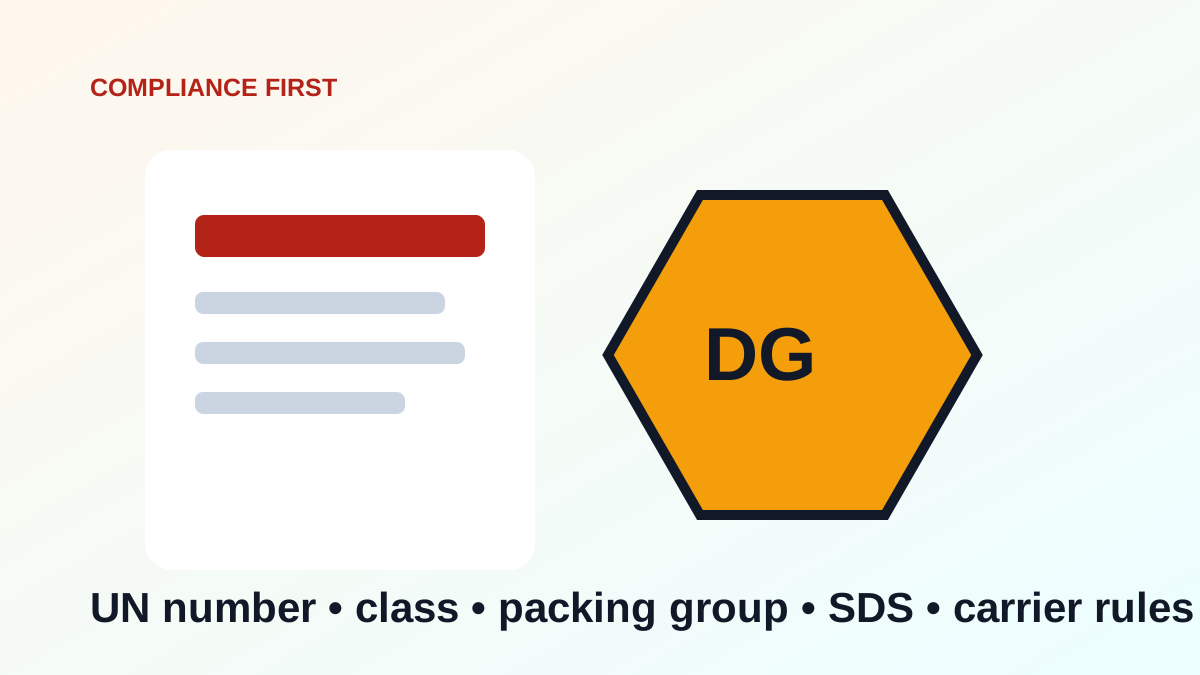
Dangerous goods classification, SDS review and carrier acceptance scene

ISO tank / tank container

For bulk liquefied gas, selected cryogenic liquid or gas-compatible chemicals. Check T-code, certificates, valves, relief devices and cleaning history.

Pressure cylinder / bundle

For compressed gas, industrial gas or samples. Check permanent markings, test date, working pressure, valve cap and transport restraint.

Aerosol can / spray can

Usually reviewed around UN1950 Aerosols, propellant, flammability, can size, limited quantity rules and outer-carton marks.

Pre-check before booking

SDS Section 14, UN number, class, container photos, net quantity and destination rules decide carrier acceptance.

Bulk liquefied or cryogenic gas

Start with ISO tank, T50 gas tank or T75 cryogenic tank.

Verify tank certificate, T-code, design pressure, relief device, valve layout, cleaning record and shipping line approval.

Small to medium compressed gas

Start with pressure cylinders, cylinder bundles, tubes or transportable pressure receptacles.

Confirm water capacity, working pressure, test pressure, inspection date, valve protection and export acceptance.

Consumer spray products

Start with aerosol cans, spray cans, bag-on-valve or limited quantity packaging.

Confirm propellant, flammability, UN1950 / 2.1 / 2.2, can size, inner packaging and outer-carton strength.

Container knowledge: what buyers usually mean by "the tank"
Container knowledge: what buyers usually mean by "the tank"

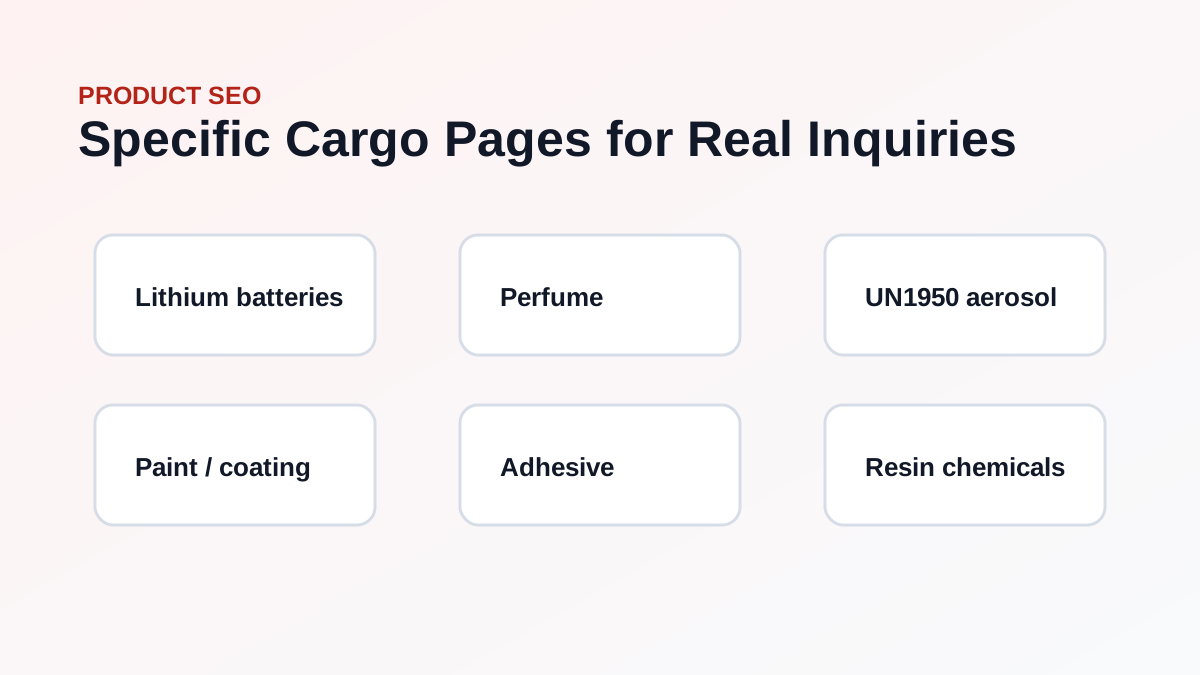
Product-level dangerous goods cargo page cluster

ISO tank container / tanktainer

Intermodal bulk carrier for sea, road and rail movements.

  • Tank container fleets commonly include T11/T14 liquid chemical tanks, T50 gas tanks and T75 cryogenic tanks.
  • The pressure vessel sits inside an ISO frame for lifting, stacking and intermodal transfer.
  • Gas cargo checks focus on design pressure, T-code, valves, relief devices, compatible contents and cleaning records.
  • Best for full-tank bulk movements, not loose retail packs; cost depends on tank lease, origin port, sailing and destination return conditions.

Pressure cylinders, bundles and tube-style carriers

Common transportable pressure receptacles for compressed gases and smaller liquefied gas quantities.

  • Cylinders need permanent markings, manufacturing standard, water capacity, working/test pressure, inspection validity and gas identification.
  • Valves should be closed and protected with caps, collars or frames; cylinders must be restrained from rolling or falling.
  • Cylinder bundles combine multiple cylinders in a frame and manifold, but classification still follows the gas hazard.
  • Empty or residual cylinders can still need DG review if pressure, residue or cleaning status is unclear.

Aerosol cans and spray dispensers

Small pressure packaging for consumer and industrial spray products.

  • An aerosol dispenser combines a can, valve, actuator, product and propellant; the propellant often drives flammability risk.
  • Transport review commonly focuses on UN1950 Aerosols, Class 2.1/2.2, limited quantities, can capacity and carton marks.
  • Small size does not make aerosols ordinary cargo; many air, courier and ocean carriers apply strict acceptance rules.
  • Before booking, provide SDS, product photos, carton marks, can size, quantity per carton and leak-protection details.

ISO tank vs pressure cylinder vs aerosol can
ISO tank vs pressure cylinder vs aerosol can

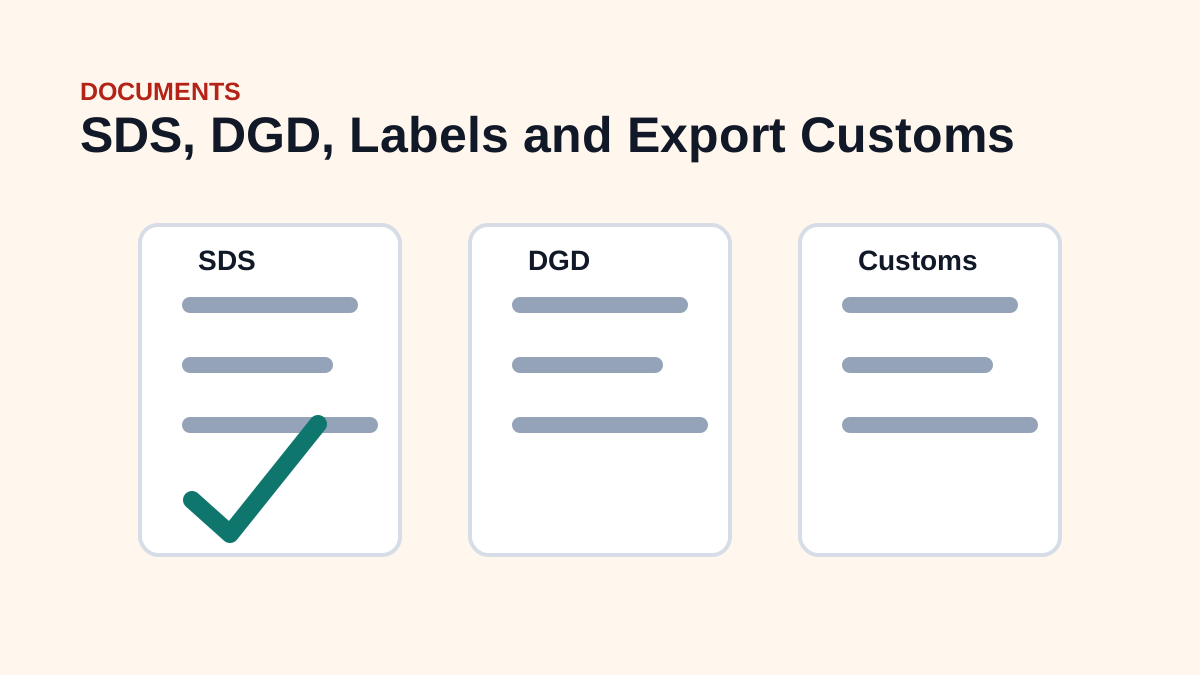
Dangerous goods documents including SDS, DGD, labels and export customs
Check pointISO tank / tank containerPressure cylinder / bundleAerosol can / spray can
Best quantityFull-tank bulk shipmentSamples to medium lots by bottle, pallet or bundleRetail packs by carton, pallet or container
Typical cargoLPG, ammonia, refrigerants, cryogenic liquids, selected chemical gasesOxygen, nitrogen, argon, CO2, helium, refrigerantsSpray paint, cleaners, cosmetics spray, industrial sprays
Main checksT-code, certificate, compatible contents, valves, relief device, cleaningMarkings, inspection date, pressure, valve cap, restraint, labelsUN1950, propellant, flammability, can size, limited quantity, carton
Transport modeSea, rail and road intermodal; air is generally not the routeSea/road first; air only after strict case reviewOcean is common; air and courier rules are stricter
Quote inputsMedium, UN number, loading/discharge place, tank type, lease periodGas name, bottle count, capacity, pressure, inspection date, photosCan size, cartons, propellant, total pieces, carton dimensions and weight

Documents and photos to prepare

Documents and photos to prepare

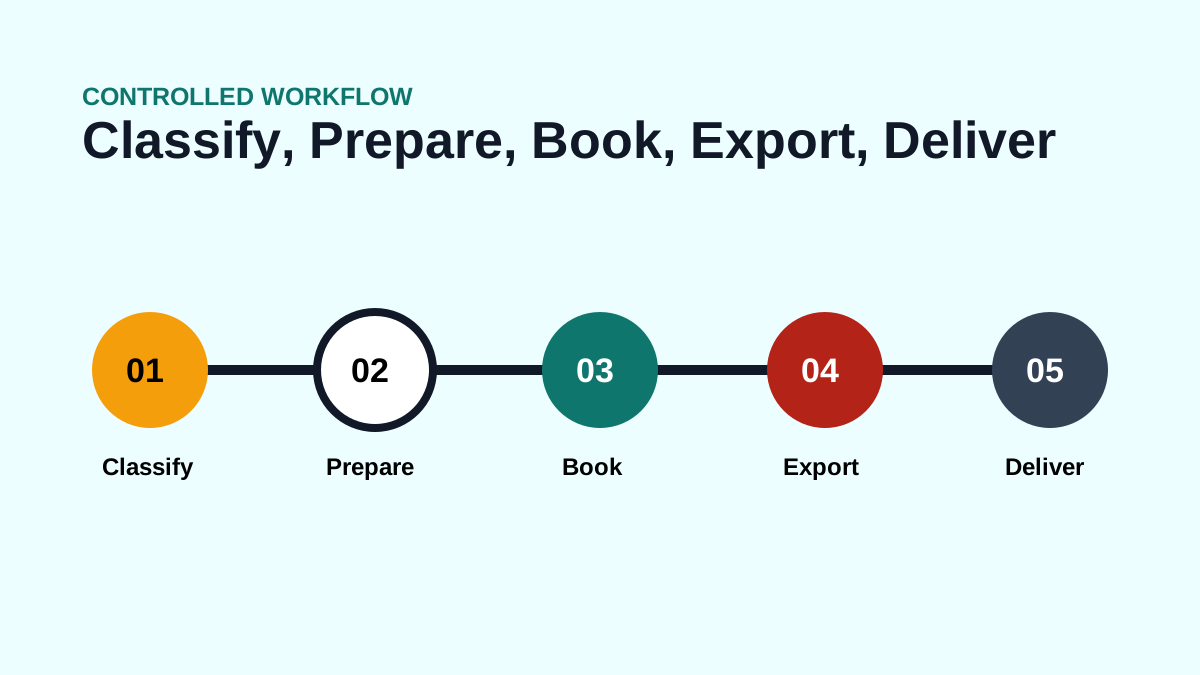
Controlled dangerous goods export workflow from classification to delivery

DG classification data

  • MSDS/SDS with Section 14 transport information
  • UN number, Proper Shipping Name, class and subsidiary risk
  • Packing group or Class 2 division: 2.1 / 2.2 / 2.3
  • HS code, use, ingredients and destination country

Container and package photos

  • Tank nameplate, CSC or inspection certificate, T-code and tank type
  • Cylinder shoulder markings, test date, valve cap or guard
  • Aerosol front/back labels, carton marks and packing style
  • Pallet restraint, wrapping, segregation and leak protection photos

Booking and export documents

  • Commercial invoice, packing list, contract and customs elements
  • DG declaration, labels, marks and emergency contact
  • Package performance certificate when applicable
  • Container packing certificate and destination consignee requirements

Export workflow for gas containers from China
Export workflow for gas containers from China

Dangerous goods export guide article hub
  1. 01 Document pre-checkReview SDS, UN number and container photos to determine Class 2 status and likely sea, road or air options.
  2. 02 Container fitConfirm whether ISO tank, cylinder, bundle or aerosol packaging matches the gas, pressure, temperature and quantity.
  3. 03 Carrier approvalSubmit DG declaration, package photos and tank/cylinder data to the carrier, booking agent or DG trucking team.
  4. 04 China export operationArrange pickup, DG warehouse or depot, customs, labels, container entry and vessel schedule.
  5. 05 Destination handoverCheck discharge, tank return, cleaning, empty cylinder return and local import rules before shipment.

Acceptance risks that decide the shipping mode

Container name is not enough

ISO tank, cylinder and aerosol are packaging forms; classification still depends on composition, UN number, hazard class and carrier rules.

Empty containers may still be controlled

A used tank or cylinder with residue, pressure or no cleaning proof may still need DG handling.

Pressure and temperature matter

Liquefied gas, cryogenic media and high-pressure gas require checks on pressure design, relief devices, heat exposure and storage.

Air acceptance is stricter

Class 2 gases and aerosols often face airline, packing instruction and net quantity limits. Never assume they can fly.
Research notes used for this page

Dangerous goods quote request with cargo details and WhatsApp contact
  • Tank containers are intermodal pressure vessels for liquids, gases and powders; gas movements often involve T50 gas tanks or T75 cryogenic tanks.
  • Market tank leasing fleets commonly list standard tanks, specialized tanks, gas tanks and cryogenic tanks with varying capacities and acceptance ranges.
  • Pressure cylinders are transportable pressure receptacles; markings, inspection date, pressure rating, valve protection and restraint are key checks.
  • Aerosol cans are pressurized packages with valves and propellants; UN1950 Aerosols is a frequent review path.
  • This page supports freight pre-check only and does not replace SDS, UN Model Regulations, IMDG Code, ADR/RID, IATA DGR or destination authority requirements.

FAQ for dangerous gas container shipping
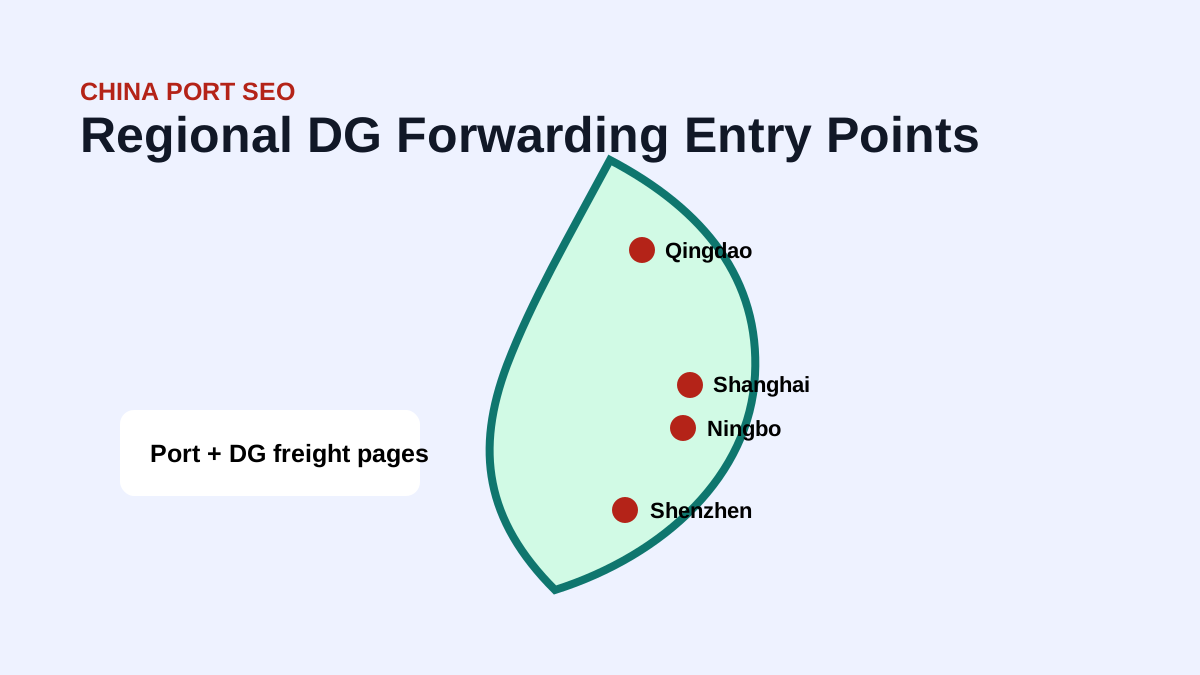
FAQ for dangerous gas container shipping

China port network for regional dangerous goods freight forwarding pages
Do dangerous gas exports always need an ISO tank?

No. ISO tanks are for bulk liquefied or compatible gas movements. Smaller compressed gas shipments may use cylinders or bundles, and consumer sprays usually move as aerosol cans.

What do T50 and T75 mean in practice?

In logistics conversations, T50 commonly points to certain gas tank containers, while T75 points to cryogenic tank containers. Actual suitability depends on the medium, certificate and carrier approval.

What cylinder photos are useful?

Overall cylinder, shoulder markings, valve and cap, inspection date, label, restraint method, pallet and outer package photos.

Can aerosol cans ship as ordinary cargo?

Usually they need a DG check. Many aerosols involve propellants and Class 2 risk, often reviewed as UN1950 with capacity, flammability and packaging limits.

Are empty cylinders or tanks still dangerous goods?

They can be if residue, pressure or cleaning status is unclear. Provide residue, cleaning, valve and pressure evidence before booking.

What is the fastest way to request a quote?

Send cargo name, UN number, SDS, container type, quantity, net/gross weight, China origin city, destination country, photos and ready date.

Container mode resources

Special pages for cargo carriers that decide shipping cost and acceptance.

Practical container and packaging guides for China export shippers, covering dangerous gas containers and non-hazardous liquid flexitank shipments.

Dangerous goods gas export containers: ISO tank, pressure cylinder and aerosol can guide
ISO tank gas shipping / T50 gas tank

Dangerous goods gas export containers: ISO tank, pressure cylinder and aerosol can guide

A complete dangerous goods gas container guide for China exports: ISO tank containers, T50/T75 gas tanks, pressure cylinders, aerosol cans, documents, booking checks and FAQ.

Current guide
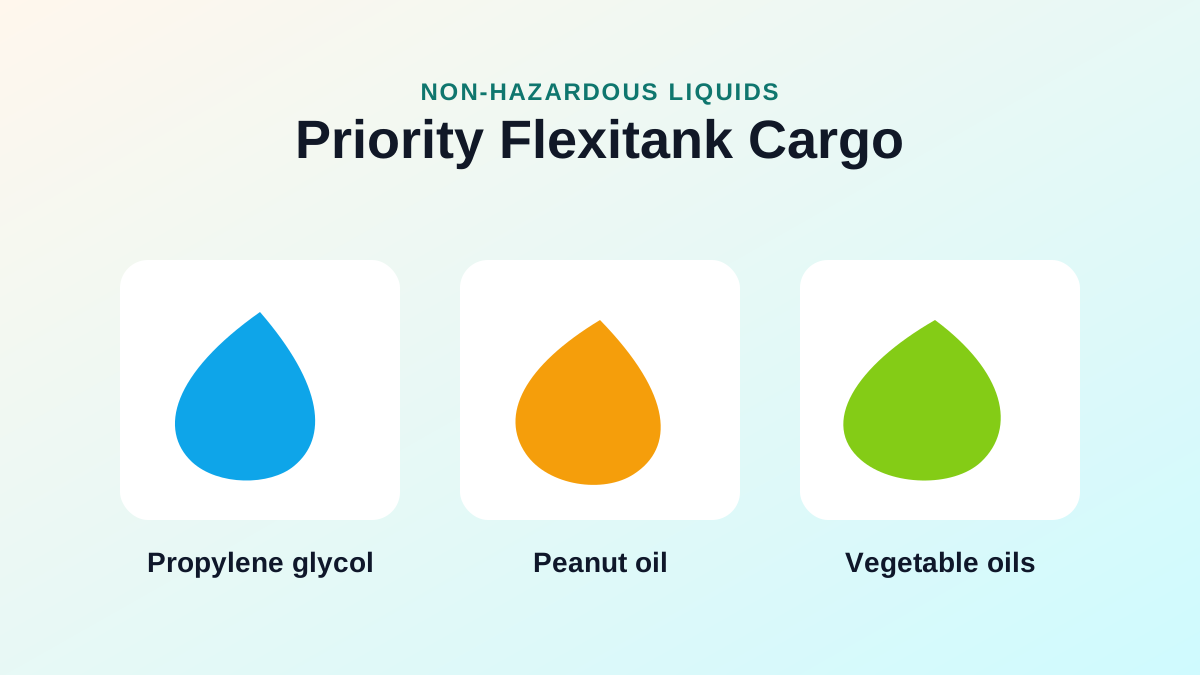
Flexitank shipping from China for non-hazardous liquids: propylene glycol, peanut oil and bulk liquid exports
flexitank shipping from China / non-hazardous liquid export

Flexitank shipping from China for non-hazardous liquids: propylene glycol, peanut oil and bulk liquid exports

Complete flexitank shipping guide for non-hazardous liquid exports from China, covering 20ft container liquid bags, propylene glycol, peanut oil, food-grade oils, documents, loading checks and FAQ.

Open guide

Quote request

Send the cargo details before your supplier delivers to the warehouse.

The earlier we see the documents, the easier it is to prevent booking rejection, repacking, port storage and missed vessel or flight schedules.

Dangerous goods quote request with cargo details and WhatsApp contact
  • Cargo name, UN number and DG class
  • MSDS/SDS and battery test documents if applicable
  • Origin city in China and destination country
  • Gross weight, dimensions, packages and ready date