20ft container + single-use flexitank
A flexitank turns a 20ft dry container into a non-hazardous bulk liquid carrier. Common loading ranges are about 16,000-24,000 L, depending on density, payload limits and bag model.
Type a cargo, UN number, port, document or service keyword.
Type a cargo, UN number, port, document or service keyword.
Flexitank non-hazardous liquid shipping
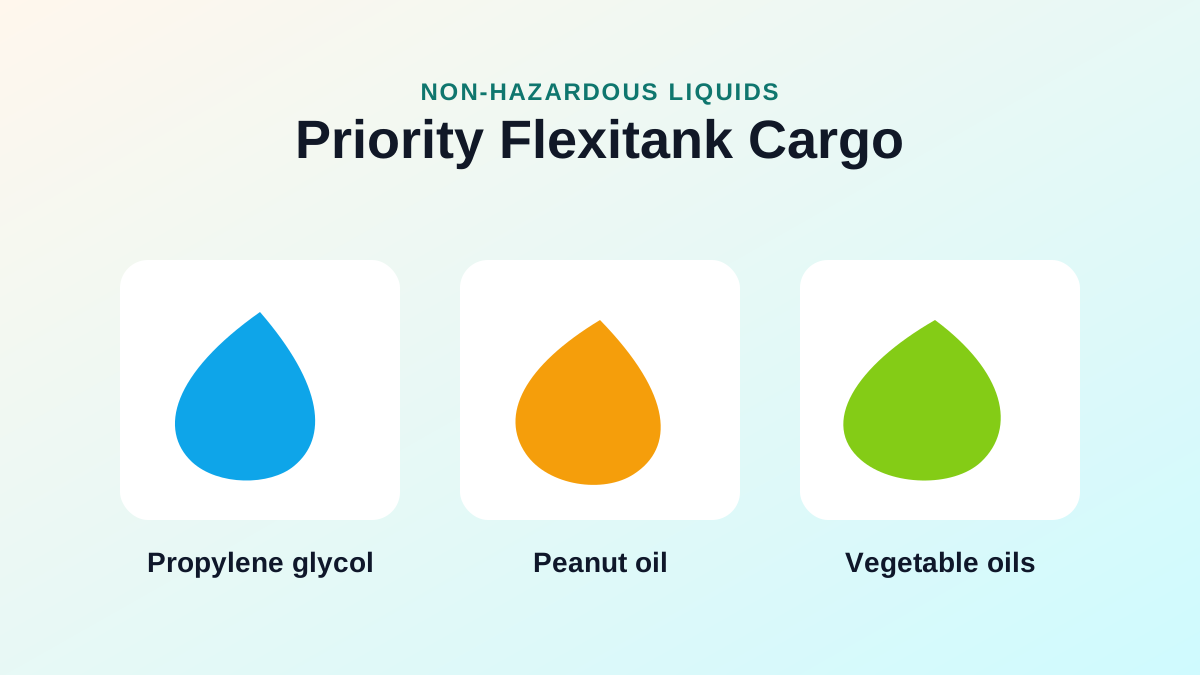
Use this guide to decide when a 20ft container flexitank is better than drums, IBCs or ISO tanks for non-hazardous bulk liquids such as propylene glycol, peanut oil and vegetable oils.
What this page helps you check
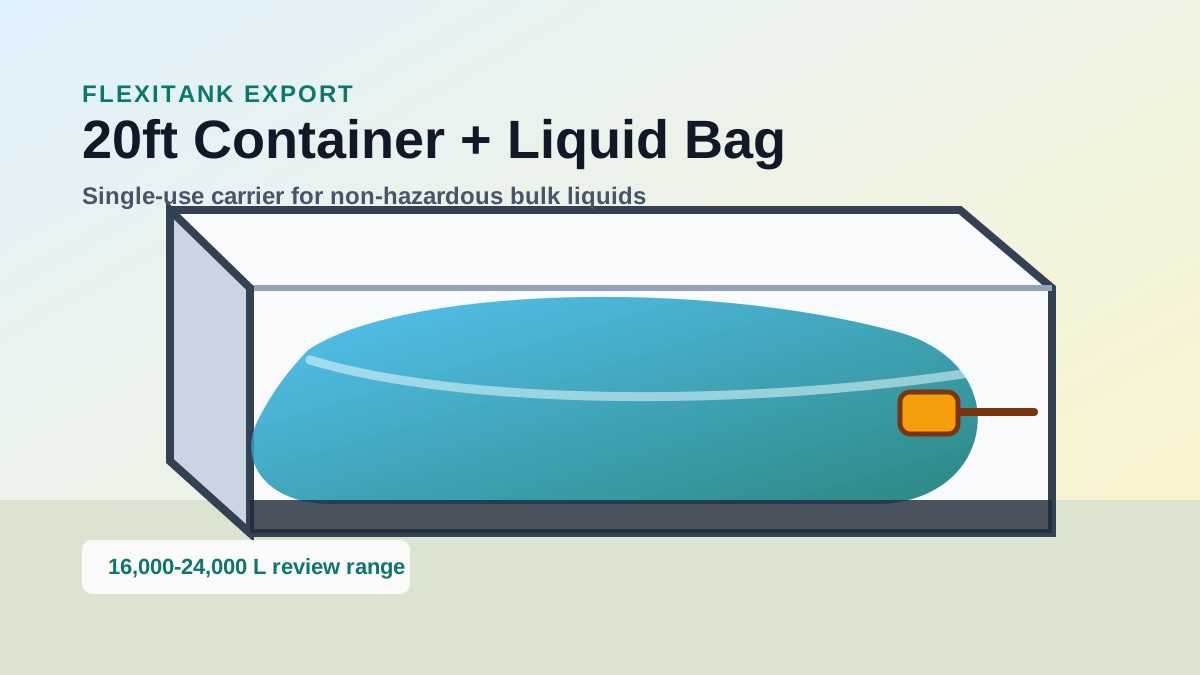
A flexitank turns a 20ft dry container into a non-hazardous bulk liquid carrier. Common loading ranges are about 16,000-24,000 L, depending on density, payload limits and bag model.
Typical candidates include propylene glycol, glycerin, vegetable oils, peanut oil, base oils, food-grade liquids and selected non-hazardous liquid chemicals.
Flexitanks reduce drums, IBCs and pallets, increasing net liquid payload and lowering packaging handling at destination.
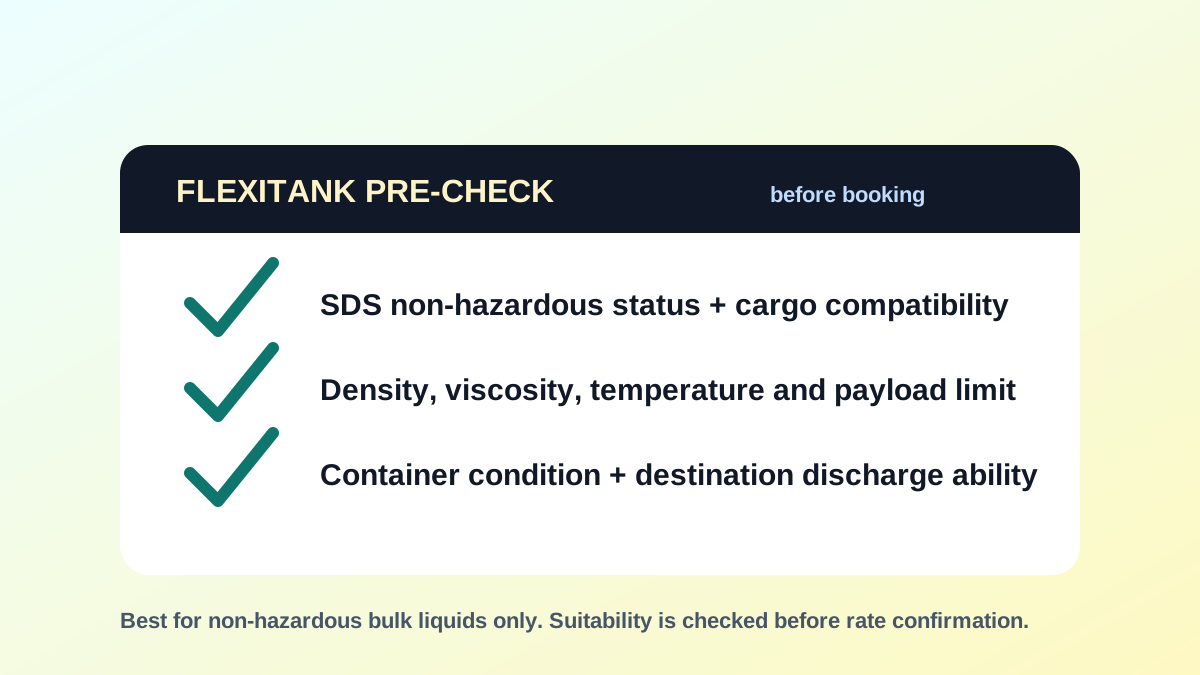
Suitability depends on SDS, density, viscosity, loading temperature, pump access and whether the consignee can discharge flexitanks.
Review whether flexitank can replace drums or IBCs.
Check non-DG SDS status, density, viscosity, cargo temperature, crystallization risk, heating needs and discharge pump capability.
Start with food-grade flexitank, clean liner and clean loading control.
Confirm COA, food-contact requirements, allergen or odor contamination risk, previous cargo concerns and destination food import documents.
Compare flexitank, IBC, drums and ISO tank against insurance and handling risk.
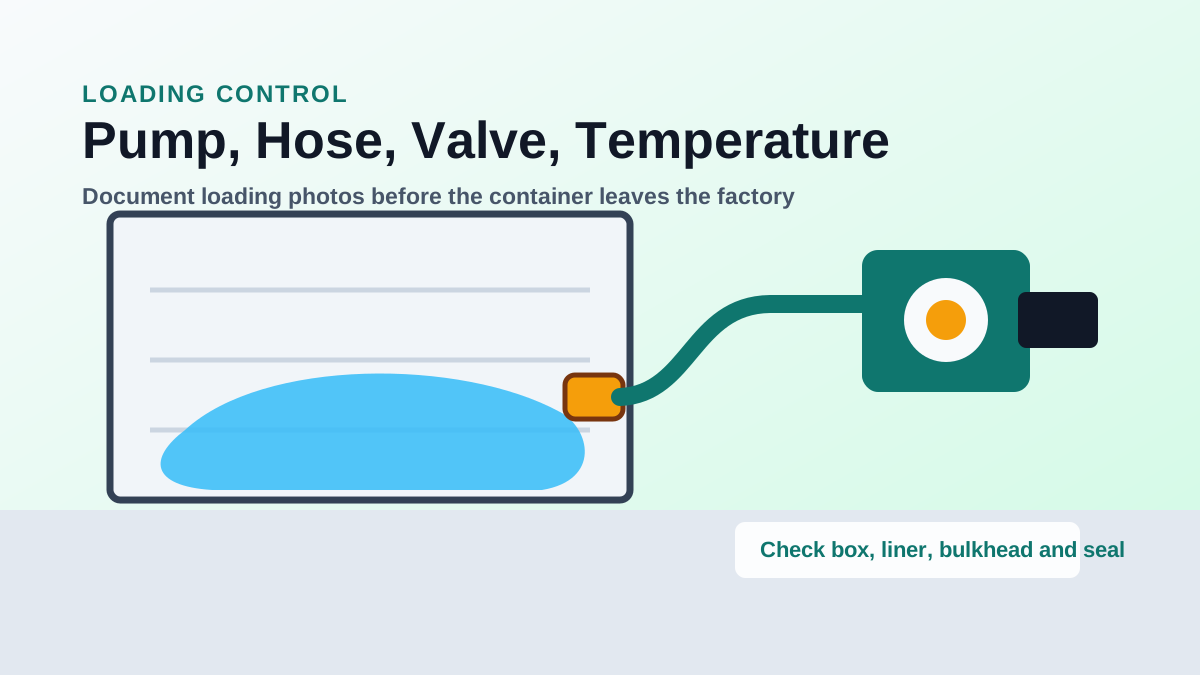
A leak can affect the whole shipment, so verify cargo value, insurance, loading supervision, container condition, valve protection and discharge SOP.
Flexitank knowledge: how the 20ft liquid bag shipment works
A practical way to convert a 20GP container into a single-use non-hazardous bulk liquid carrier.
The cargo should be non-DG, stable, pumpable and accepted by the consignee for flexitank discharge.
Flexitank forwarding succeeds when both origin and destination can handle the liquid safely.
Flexitank vs drums vs IBC vs ISO tank
| Check point | Flexitank | Drums / IBC | ISO tank |
|---|---|---|---|
| Best cargo | Non-hazardous bulk liquids such as propylene glycol, peanut oil, vegetable oil and glycerin | Small lots, multiple SKUs or destinations without flexitank discharge ability | Large bulk liquid programs, reusable tank moves, selected DG or higher-control liquids |
| Payload efficiency | High net liquid payload with less packaging | More packaging and pallet space, lower net payload | Stable bulk carrier but lease and return rules are more complex |
| Cost structure | Flexitank, liner, loading, ocean freight, insurance and discharge coordination | Drums/IBCs, pallets, labor, storage and packaging disposal | Tank lease, cleaning, demurrage, return location and compatibility approval |
| Main risks | Leakage, contamination, container condition, overweight, failed discharge, incompatible liquid | Damaged drums, seepage, handling loss and packaging disposal cost | Lease period, cleaning, destination return, tank certificate and cargo compatibility |
| Quote inputs | Cargo name, SDS, density, viscosity, loading temperature, target liters, loading/discharge address | Package size, pieces, pallets, gross weight and food-grade needs | Medium, tank type, origin/destination, lease period, cleaning and heating needs |
Documents and details to prepare
Flexitank export workflow from China
The liquid must be compatible with the liner and should not corrode, crystallize, ferment, expand or lose flowability at transit temperature.
The same liter volume can create very different gross weights. Overweight cargo can breach container, road or destination limits.
Nails, floor damage, odor, oil stains and light leakage increase the chance of bag damage or contamination.
Flexitank cargo needs pump, hose, fittings and trained people at destination, otherwise demurrage and extra handling can occur.
Peanut oil and vegetable oils need food-contact suitability, clean loading, odor control and allergen or label review.
FAQ for flexitank non-hazardous liquid shipping
Usually no. Flexitanks are mainly for non-hazardous bulk liquids. Dangerous liquids need separate UN/class review and may require drums, IBCs, ISO tanks or other compliant packaging.
Propylene glycol is a common flexitank candidate, but we still check SDS, density, viscosity, loading temperature, destination rules and consignee discharge ability.
Yes, it is a common review direction. Food-grade liner, clean container, COA, odor control, import documents and discharge conditions matter.
Common ranges are about 16,000-24,000 L, but quote should be based on density, gross weight, container limit, road limit, bag model and destination rules.
For non-hazardous one-way bulk liquid exports, flexitank often reduces packaging cost. ISO tanks may suit DG cargo, reusable programs, heating needs or higher-control cargo.
Cargo name, SDS/MSDS, density, viscosity, loading temperature, target liters or weight, China origin, destination, food-grade need, loading/discharge addresses and ready date.
Container mode resources
Practical container and packaging guides for China export shippers, covering dangerous gas containers and non-hazardous liquid flexitank shipments.

A complete dangerous goods gas container guide for China exports: ISO tank containers, T50/T75 gas tanks, pressure cylinders, aerosol cans, documents, booking checks and FAQ.
Open guide
Complete flexitank shipping guide for non-hazardous liquid exports from China, covering 20ft container liquid bags, propylene glycol, peanut oil, food-grade oils, documents, loading checks and FAQ.
Current guideQuote request
The earlier we see the documents, the easier it is to prevent booking rejection, repacking, port storage and missed vessel or flight schedules.